
There is something faintly rebellious now about moving at five or six miles an hour. Not in a classic-car, waxed-jacket sort of way, but in a practical, everyday sense. Roads are crowded, trains are unpredictable, and even leisure can feel oddly competitive. A weekend away is supposed to be productive, photogenic and somehow transformative. On the water, the mood shifts. It asks less of you, and that may be exactly the point.
Britain’s inland waterways have always offered a gentler rhythm, but they feel newly relevant to people worn down by screens and schedules. You do not need to be a dyed-in-the-wool boating type to see the appeal. Mooring near a market town, making tea while rain taps on the cabin roof, watching coots fuss in the reeds, these are modest pleasures, but real ones. They push back against the urge to optimise every spare hour.
That may help explain the quiet interest in Viking cruisers, particularly among people who want boating to feel approachable rather than theatrical. They occupy a useful middle ground. More comfortable than many imagine, less intimidating than larger craft, and well suited to unhurried riverside weekends. For plenty of newcomers, the attraction is not prestige. It is the idea of a floating base from which familiar British scenery can look slightly different.
What the water changes
- Noise drops away and small details return: birdsong, weather, church bells.
- Distances shrink as nearby places suddenly feel worth lingering in.
- Time stretches when there is no point hurrying to the next bend.
Perhaps that is why boating retains its hold. It is not merely transport, nor quite a holiday in the usual sense. It changes what you notice. And at a moment when attention is tugged in every direction, that may be one of the few luxuries left that still feels restorative.
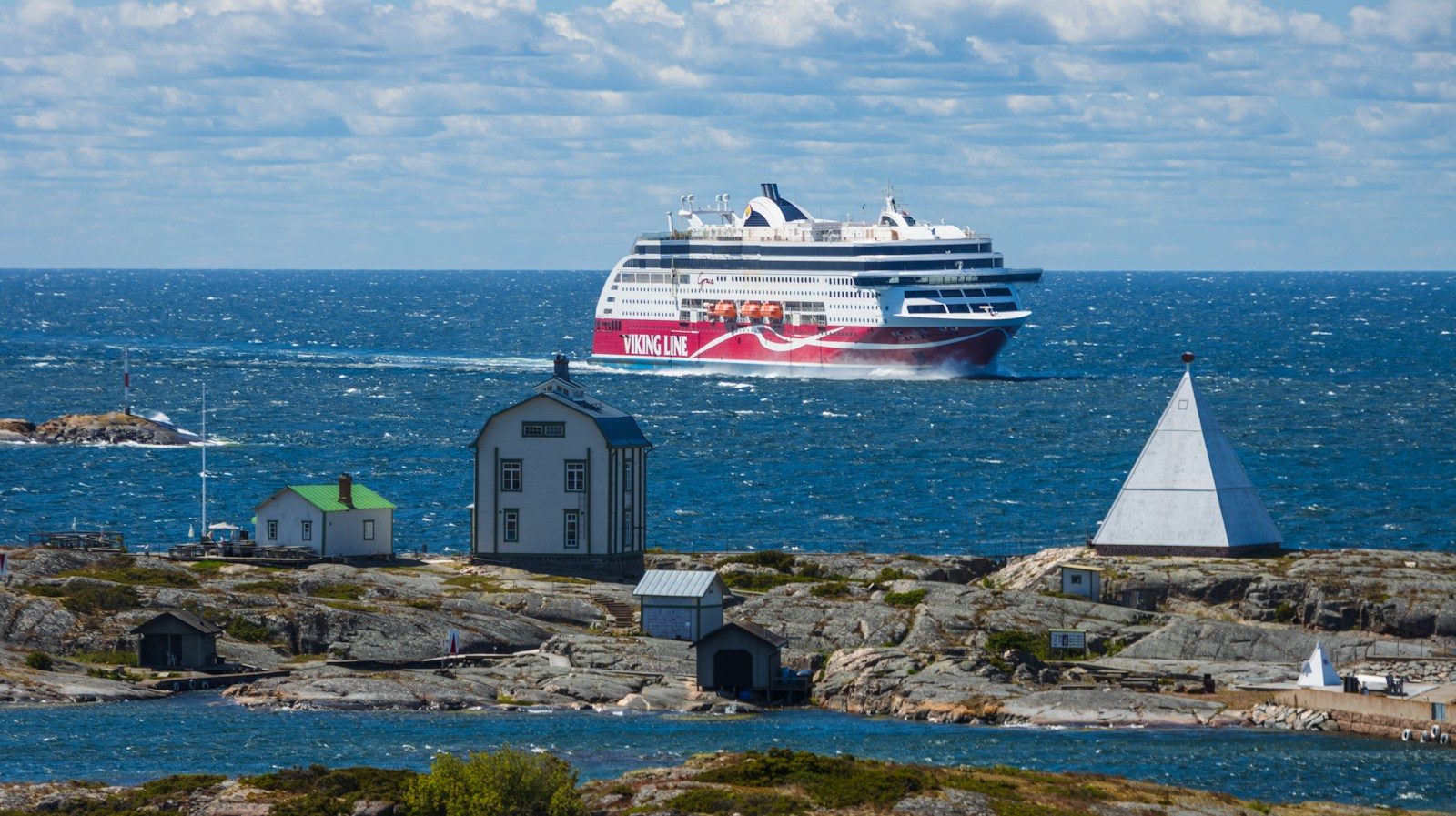
Photo by Juho Luomala.